





Discovering the Heart of Taiwan
As Taiwan's only landlocked county, Nantou is a geographical masterpiece defined by its dramatic mountain ranges, deep valleys, and tranquil alpine lakes. Often referred to as the geographic heart of the island, this region is a sanctuary for nature lovers and outdoor enthusiasts. If you are looking for the best things to do in Nantou, you will find a diverse array of natural and cultural treasures that showcase a completely different side of Taiwan compared to its bustling coastal cities. The air here is crisper, the pace of life is slower, and the landscapes are nothing short of cinematic.
Beyond its stunning topography, Nantou is deeply rooted in rich cultural heritage. It is home to several indigenous communities, including the Thao and Bunun tribes, whose traditions, festivals, and culinary practices add vibrant layers to the local identity. Furthermore, the region's unique climate and high altitudes make it Taiwan's premier agricultural hub. Nantou is globally celebrated for producing exceptional Oolong teas, particularly from the Dongding and Lishan areas, making a traditional tea tasting an absolute must for any visitor.
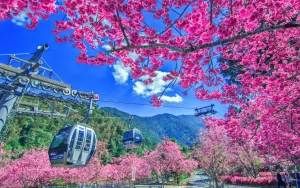
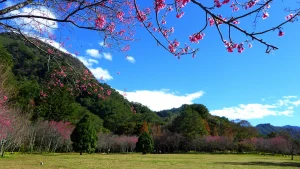
Determining the best time to visit Nantou largely depends on what you want to experience. Spring (March to May) is spectacular for cherry blossoms, especially around Sun Moon Lake and the Formosan Aboriginal Culture Village. Autumn (September to November) offers cool, comfortable weather and clear skies, perfect for hiking and stargazing. While summers in the lowlands can be hot and humid, Nantou's high-altitude destinations like Qingjing Farm provide a refreshing escape from the heat, making it a fantastic year-round destination.
Top Attractions & Unforgettable Experiences
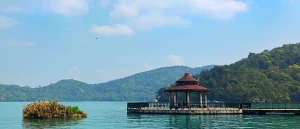
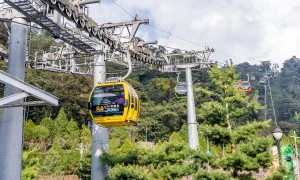
No Nantou travel guide is complete without highlighting Sun Moon Lake, the crown jewel of the region. Surrounded by forested peaks, this expansive body of water is famous for its mesmerizing beauty. Visitors can rent bicycles to ride along the Xiangshan Bike Trail—frequently ranked among the most beautiful cycling routes in the world. Alternatively, you can take a scenic boat cruise across the lake, hop on the Sun Moon Lake Ropeway for panoramic aerial views, or explore the ornate Wenwu Temple that overlooks the northern shore.
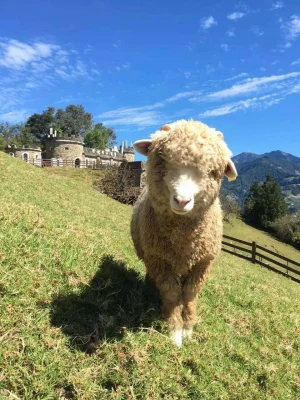
For a taste of the alpine lifestyle, head up the winding mountain roads to Qingjing Farm. Often dubbed the "Little Switzerland of Taiwan," this sprawling highland farm features rolling green pastures, grazing sheep, and European-style architecture. Just a bit further up the highway lies Hehuanshan (Joy Mountain), one of the most accessible high-altitude peaks in Taiwan. It is a premier destination for witnessing awe-inspiring sunrises above a sea of clouds, and it boasts some of the darkest skies in the country for spectacular night-time stargazing.
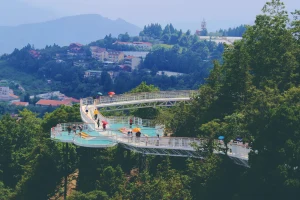
Nantou also offers plenty of quirky and cultural excursions. The Formosan Aboriginal Culture Village seamlessly blends an exhilarating amusement park with an immersive cultural village where you can learn about Taiwan's indigenous heritage. In Xitou, wander through towering bamboo forests before visiting the whimsical Monster Village, a Japanese-style themed area filled with quirky folklore creatures and delicious local snacks. Finally, stop by the town of Puli to visit the remarkable Paper Dome and sample local spirits at the historic Puli Brewery.
Essential Travel & Transport Tips
Because Nantou is heavily mountainous and lacks a coastline, it does not have its own airport or direct High-Speed Rail (HSR) station. The most convenient way to reach the region is by taking the HSR or a standard train to Taichung City. From the Taichung HSR Station, you can easily catch the Taiwan Tourist Shuttle (operated by Nantou Bus), which offers direct and comfortable routes to major hubs like Puli, Sun Moon Lake, Xitou, and Qingjing Farm. The journey from Taichung to Sun Moon Lake typically takes about 90 minutes.
Getting around Nantou requires a bit of planning. While the Taiwan Tourist Shuttle is excellent for bouncing between primary tourist attractions, the bus schedules can be infrequent, especially if you venture into more remote mountain areas. For maximum flexibility, renting a scooter or a car in Taichung or Puli is highly recommended. However, drivers should be comfortable navigating winding, steep mountain roads and be prepared for sudden fog, particularly in the afternoons.
When it comes to practicalities, the local currency is the New Taiwan Dollar (NTD). While hotels and larger restaurants around Sun Moon Lake accept credit cards, cash is absolutely essential for street food, small tea shops, and rural areas. Nantou is incredibly safe for tourists, but nature dictates its own rules here; always check weather advisories before heading into the high mountains, especially during the summer typhoon season, as heavy rains can occasionally cause road closures.
Frequently Asked Questions
How many days should I spend in Nantou?
A 2 to 3-day trip is ideal to cover the main highlights like Sun Moon Lake and Qingjing Farm without rushing. If you plan to hike Hehuanshan, explore the bamboo forests of Xitou, or dive deep into the local tea culture, consider adding an extra day or two to your itinerary.
Is it easy to get around Nantou without a car?
Yes, it is manageable for major attractions. The Taiwan Tourist Shuttle connects the Taichung High-Speed Rail station directly to popular spots like Sun Moon Lake, Puli, and Qingjing Farm. However, if you want to explore off-the-beaten-path locations or travel at your own pace, renting a vehicle or hiring a private driver is highly recommended.
What is the weather like in Nantou?
Because Nantou features dramatic elevation changes, the weather varies significantly by altitude. Lowland areas like Puli have a subtropical climate, while high-altitude destinations like Qingjing and Hehuanshan are much cooler. You will need a jacket in the mountains even during the summer, and the highest peaks can even experience snow in the winter.