





Welcome to South Korea's Coastal Gem
If you are planning a trip to South Korea's southern coast, finding the best things to do in Busan is the key to an unforgettable adventure. As the country's second-largest city, Busan offers a striking contrast to the fast-paced energy of Seoul. Here, majestic mountains cascade down into the sparkling ocean, creating a dramatic landscape that houses bustling ports, vibrant neighborhoods, and serene temples. Whether you are seeking relaxation by the sea or an immersion into rich Korean heritage, this dynamic metropolis caters to every type of traveler.
What truly sets Busan apart is its uniquely laid-back yet vibrant coastal atmosphere. The city is deeply connected to its maritime roots, which is evident in its massive seafood markets, scenic harbor views, and deeply ingrained beach culture. Locals and tourists alike flock to its sandy shores year-round, not just for swimming, but for festivals, night markets, and simply enjoying the ocean breeze. It is a city where you can hike a forested mountain in the morning, explore a contemporary art museum in the afternoon, and dine on freshly caught sashimi by the water at night.
When considering the best time to visit and the top things to do in Busan, spring and autumn stand out as the most spectacular seasons. April brings breathtaking cherry blossoms that line the streets and hillsides, while October and November offer crisp, cool weather perfect for hiking and outdoor exploration. Autumn is also when the city hosts the prestigious Busan International Film Festival and the spectacular Busan Fireworks Festival. Summer is peak beach season, drawing massive crowds to the coast, though it can be quite hot and humid. Winter is relatively mild compared to the northern parts of the country, making it a viable option for those who prefer quieter travels.
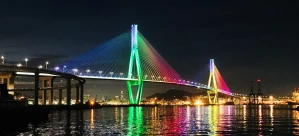
Ultimately, this coastal gem requires at least a few days to truly appreciate. Its sprawling geography, separated by mountain ranges and connected by impressive bridges, means that each district has its own distinct personality. From the trendy, youthful streets of Seomyeon to the historic, culturally rich alleys of Nampo-dong, Busan is a destination that constantly surprises and delights its visitors, ensuring that your travel itinerary will be packed from dawn until dusk.
Top Attractions & Unforgettable Experiences
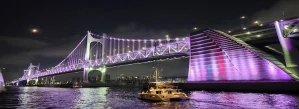
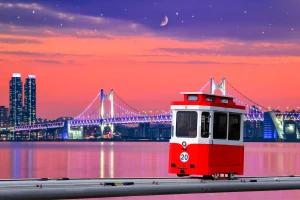
Any comprehensive travel guide to this seaside city must begin with its world-famous beaches. Haeundae Beach is arguably the most famous stretch of sand in South Korea, flanked by luxury hotels and a bustling boardwalk. Just a short distance away, you will find the Haeundae Blue Line Park, where picturesque coastal trains offer stunning views of the ocean. For a slightly more local vibe, head to Gwangalli Beach. This crescent-shaped bay is famous for its fine sand and the spectacular Diamond Bridge (Gwangandaegyo), which puts on a mesmerizing LED light show every evening.
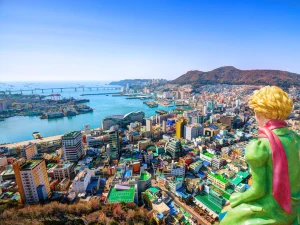
Beyond the beaches, Busan boasts some of the most visually striking cultural landmarks in the country. Gamcheon Culture Village, often affectionately called the "Machu Picchu of Busan," is an absolute must-visit. This historic hillside neighborhood was transformed by local artists into a vibrant, multi-colored maze of alleyways, murals, and quaint cafes. Another iconic site is Haedong Yonggungsa Temple. Unlike most Korean temples that are nestled deep in the mountains, this breathtaking Buddhist sanctuary is built directly onto the rocky cliffs overlooking the crashing waves of the East Sea.
No list of things to do in Busan is complete without diving into its phenomenal culinary scene. The city is a paradise for seafood lovers, and Jagalchi Market is the epicenter of this gastronomic culture. As Korea's largest seafood market, you can browse endless rows of exotic marine life on the ground floor, purchase your favorites, and have them prepared fresh at the restaurants upstairs. For street food aficionados, BIFF Square in the Nampo-dong district is the perfect place to try local specialties like ssiat hotteok (a sweet, seed-stuffed fried pancake) and eomuk (Korean fish cake).
For those looking to round out their itinerary with shopping and panoramic views, Busan delivers on all fronts. Shoppers can lose themselves in Shinsegae Centum City, officially recognized as the largest department store in the world, featuring everything from high-end boutiques to an indoor ice rink and a traditional Korean spa (jjimjilbang). To take in the sheer scale of the city, head up to the Busan X the Sky observatory or the classic Busan Tower in Yongdusan Park. Here are a few must-do highlights to add to your list:
- Stroll along the Igidae Coastal Walk for rugged cliffside ocean views.
- Explore the lush, forested trails of Taejongdae Resort Park.
- Experience the vibrant nightlife and underground shopping in Seomyeon.
- Take a scenic ride on the Songdo Marine Cable Car.
Practical Travel Tips & Information
Getting to Busan is incredibly straightforward, making it an easy addition to any South Korean itinerary. The most popular and efficient method is taking the KTX high-speed train from Seoul, which covers the distance in roughly two and a half hours. The trains are comfortable, punctual, and offer beautiful views of the countryside. Alternatively, international and domestic travelers can fly into Gimhae International Airport, which connects the city to numerous destinations across Asia and offers easy light-rail access directly into the city center.
Once you arrive, navigating the city is a breeze thanks to its extensive and user-friendly public transportation network. The Busan Metro is clean, inexpensive, and features signs and announcements in English. To make getting around even easier, pick up a T-money card or a Cashbee transit card at any convenience store. These reloadable smart cards work on subways, buses, and even in some taxis across the entire country. While the subway is great for major hubs, you will need to utilize the local bus system to reach specific attractions like Gamcheon Culture Village and Taejongdae.
When it comes to currency and payments, South Korea uses the Korean Won (KRW). While credit cards are accepted almost everywhere—from large department stores to small convenience shops—it is highly recommended to carry some cash. You will need physical currency for street food stalls, small vendors at traditional markets like Jagalchi and Gukje, and for reloading your transit card. English is generally understood in major tourist areas and hotels, but downloading translation apps like Papago and navigation apps like Naver Map (since Google Maps has limited functionality in Korea) will be incredibly helpful.
Finally, travelers will be pleased to know that Busan is a very safe destination, boasting low crime rates and a welcoming atmosphere for tourists. Walking around at night, especially in busy districts like Seomyeon and Haeundae, is generally quite safe. Staying connected is also effortless, as South Korea has some of the fastest internet speeds in the world. Free public Wi-Fi is available in many subway stations, cafes, and tourist spots. However, purchasing a local eSIM or renting a pocket Wi-Fi device upon arrival ensures you have seamless access to maps and translation tools throughout your journey.
Frequently Asked Questions
How many days do I need to visit Busan?
A stay of 3 to 4 days is generally considered ideal to experience the main attractions in Busan. This timeframe allows you to explore the major beaches, visit the coastal temples, wander through the cultural villages, and enjoy the local seafood markets at a comfortable pace without feeling rushed.
What is the best way to travel from Seoul to Busan?
The most convenient and popular way to travel between Seoul and Busan is by taking the KTX high-speed train. The journey takes roughly 2.5 hours and departs frequently from Seoul Station, dropping you right at Busan Station in the heart of the city.
Is Busan a walkable city?
While specific neighborhoods like Seomyeon, Nampo-dong, and the beach promenades are highly walkable, Busan as a whole is a massive, sprawling city separated by mountains and water. You will need to rely on the extensive subway and bus networks or taxis to travel between different districts and major attractions.