


















Discovering the Land of the Morning Calm
Welcome to your ultimate South Korea travel guide. This East Asian gem is a fascinating juxtaposition where ancient palaces stand proudly alongside towering skyscrapers, and centuries-old traditions seamlessly blend with cutting-edge technology. Whether you are wandering through historic Hanok villages or shopping in futuristic malls, South Korea promises an exhilarating sensory experience for every type of traveler.
The country's unique appeal lies in its diverse offerings. K-culture enthusiasts can immerse themselves in the global phenomenons of K-pop and K-dramas, while nature lovers will find solace in the lush national parks, dramatic coastlines, and rolling mountains that cover much of the peninsula. Each region paints the landscape in a new light, making it a dynamic destination with endless possibilities to explore.
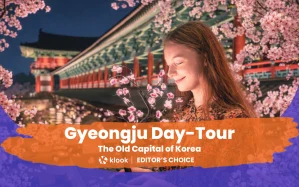
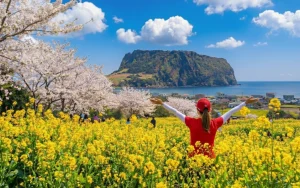
The best time to visit South Korea largely depends on what you want to experience. Spring (April to June) is famous for its breathtaking cherry blossoms, while autumn (September to November) offers crisp air and vibrant fall foliage, making these the most popular seasons for tourism. Summer brings humid weather and monsoon rains but is perfect for coastal beach festivals, and winter turns the country into a snowy wonderland ideal for skiing and snowboarding in the mountainous regions.
Top Destinations and Unforgettable Experiences
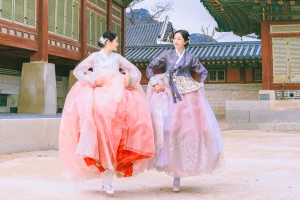
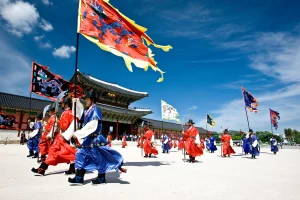
No trip is complete without exploring Seoul, the pulsating capital city. Here, you can step back in time at Gyeongbokgung Palace—especially magical when wearing a traditional Hanbok—before diving into the trendy boutiques and street food stalls of Myeongdong and Hongdae. For a panoramic view of the sprawling metropolis, a visit to the N Seoul Tower at sunset is an absolute must for any itinerary.
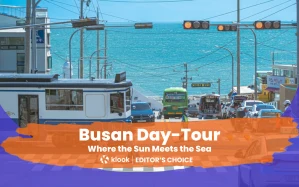
Beyond the capital, Busan offers a more relaxed, coastal vibe. As South Korea's second-largest city, it boasts the stunning Haeundae Beach, the vibrant Gamcheon Culture Village with its colorful hillside houses, and the bustling Jagalchi Fish Market where you can sample the freshest seafood. Further south, Jeju Island serves as the nation's premier holiday destination, featuring volcanic craters, majestic waterfalls, and unique lava tube caves that have earned it UNESCO World Heritage status.
Immersing yourself in the local culture is a highlight of any visit. Food plays a central role in Korean life, so be sure to indulge in sizzling Korean BBQ, comforting bowls of bibimbap, and an array of spicy, fermented kimchi. For a deeper cultural dive, consider a temple stay program in the tranquil mountains, where you can experience the daily life of Buddhist monks, learn meditation techniques, and enjoy traditional vegetarian temple cuisine.
Essential Travel Tips and Practical Information
Getting to South Korea is incredibly convenient, with Incheon International Airport serving as a major global hub consistently ranked among the best in the world. Many nationalities can enter visa-free for short tourist stays, though travelers must apply for a K-ETA (Korean Electronic Travel Authorization) online before departure. Always check the latest entry requirements well in advance of your trip to ensure a smooth arrival.
Navigating the country is a breeze thanks to its highly efficient and extensive public transportation network. The KTX high-speed train connects major cities like Seoul and Busan in just over two hours. Within cities, the subway systems are clean, punctual, and easy to use with English signage. Purchasing a T-money card upon arrival is highly recommended; this rechargeable smart card works on subways, buses, and even in convenience stores.
South Korea is generally an extremely safe country for tourists, with low crime rates and a welcoming attitude toward international visitors. The official currency is the South Korean Won (KRW). While credit cards are widely accepted almost everywhere, it is always a good idea to carry a little cash for street food vendors and small local markets. Finally, downloading local navigation apps like Naver Map or KakaoMap is crucial, as global mapping apps have limited functionality within the country.
Frequently Asked Questions
Do I need to speak Korean to travel around South Korea?
While speaking Korean is helpful, it is not strictly necessary. In major tourist areas like Seoul, Busan, and Jeju, English is widely understood, and public transportation features English signage and announcements. However, learning a few basic Korean phrases will be greatly appreciated by the locals and enhance your experience.
What is the best way to get mobile data in South Korea?
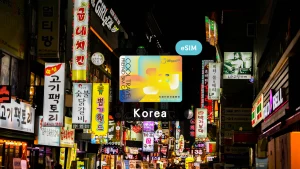
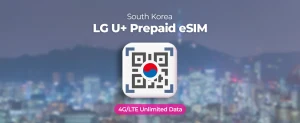
Staying connected is easy in South Korea. You can rent a portable Wi-Fi router (often called a pocket Wi-Fi), purchase a local prepaid SIM card, or use an eSIM if your phone is compatible. These can be pre-ordered online or bought directly at the airport upon arrival.
Is tipping customary in South Korean restaurants?
No, tipping is not a part of South Korean culture. In fact, attempting to leave a tip can sometimes cause confusion or be politely declined. Excellent service is considered a standard part of the dining experience, and no extra gratuity is expected by restaurant staff or taxi drivers.