

Discovering the Natural Heart of South Korea
Welcome to your ultimate Gangwon travel guide, the perfect starting point for exploring South Korea's premier nature destination. Nestled in the northeastern part of the country, Gangwon (or Gangwon-do) is a striking contrast to the neon-lit metropolis of Seoul. Here, towering mountain ranges give way to pristine coastlines, creating a paradise for outdoor enthusiasts, K-drama fans, and food lovers alike. The region is celebrated for its laid-back atmosphere, deeply rooted cultural heritage, and some of the most spectacular landscapes on the Korean peninsula.
What truly makes Gangwon special is its incredible seasonal transformation. It is the undisputed winter sports capital of South Korea, having proudly hosted the 2018 Pyeongchang Winter Olympics. When the snow melts, the province blooms into a vibrant playground of lush green forests and rushing rivers, perfect for hiking and rafting. By autumn, the region becomes the country's top destination for leaf-peeping, as the mountains ignite in brilliant shades of crimson, gold, and orange, drawing nature photographers from around the globe.
Determining the best time to visit depends entirely on your travel goals. Winter (December to February) is ideal for skiing and snowboarding at world-class resorts. Summer (July to August) is peak season for lounging on the sandy beaches of Sokcho and Gangneung. However, many consider autumn (late September to early November) the absolute best time to experience Gangwon, thanks to the crisp weather and breathtaking fall foliage. Spring (April to May) is also delightful, offering mild temperatures and beautiful cherry blossoms without the heavy summer crowds.
Top Attractions & Unforgettable Experiences
No trip to Gangwon is complete without exploring Seoraksan National Park, a UNESCO Biosphere Reserve and arguably the most beautiful mountain in South Korea. Visitors can challenge themselves with a hike up to Daecheongbong Peak or take the convenient Seorak Cable Car for sweeping panoramic views of the jagged rock formations and ancient temples like Sinheungsa. Just a short distance away lies Sokcho, a vibrant coastal city where you can wander through the bustling Jungang Market and relax by the serene Yeongrangho Lake.
Further down the coast, the city of Gangneung offers a perfect blend of rich history and modern café culture. Coffee enthusiasts flock to Anmok Beach Coffee Street to sip artisanal brews while overlooking the East Sea. Gangneung is also home to Ojukheon, the historic birthplace of prominent Korean scholars, and the picturesque Jumunjin Breakwater, which gained massive international fame as a filming location for the hit K-drama Goblin. For a unique artistic experience, the Haslla Art World provides stunning contemporary outdoor sculptures set against a dramatic ocean backdrop.
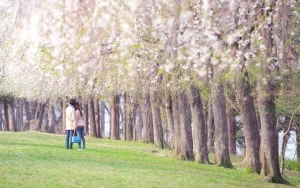
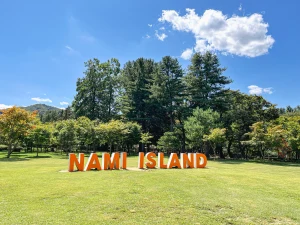
Inland, the region offers equally compelling attractions. Chuncheon, the capital of Gangwon, is famously the gateway to Nami Island (Namiseom), an enchanting tree-lined oasis that looks magical in every season. For thrill-seekers, Pyeongchang continues to offer world-class alpine resorts, while Jeongseon boasts the thrilling Byeongbangchi Skywalk and traditional rail bikes that let you pedal through breathtaking valleys and abandoned railway tunnels.
Must-Try Foods in Gangwon
- Chuncheon Dakgalbi: Spicy stir-fried chicken cooked at your table with cabbage, rice cakes, and sweet potatoes.
- Sokcho Dakgangjeong: Sweet, crispy, and slightly spicy bite-sized fried chicken that is a staple of local markets.
- Makguksu: Cold buckwheat noodles served in a chilled broth, perfect for cooling down after a long summer hike.
Essential Travel Tips & Practical Information
Getting to Gangwon has never been easier, largely thanks to the infrastructure upgrades from the 2018 Winter Olympics. The KTX (Korea Train eXpress) high-speed rail connects Seoul Station directly to major Gangwon cities like Gangneung and Donghae in roughly two hours. This makes it incredibly convenient for travelers wanting to escape the capital for a weekend or a longer scenic retreat. Alternatively, an extensive network of comfortable, affordable intercity buses departs frequently from Seoul's Express Bus Terminal and Dong Seoul Bus Terminal, reaching almost every corner of the province.
Once you arrive, getting around requires a bit of planning. While major cities like Chuncheon, Sokcho, and Gangneung have reliable local bus systems and plentiful taxis, reaching more remote trailheads, ski resorts, or hidden coastal spots can be challenging without private transport. Renting a car is an excellent option for those who want the ultimate freedom to explore the winding coastal roads and mountainous passes at their own pace. Just remember that an International Driving Permit (IDP) is strictly required for foreign visitors wishing to drive in South Korea.
Safety is rarely a concern, as Gangwon is exceptionally safe for tourists, solo travelers, and families. However, if you plan on hiking in Seoraksan or other national parks, ensure you have appropriate footwear, check the weather forecast in advance, and stay on marked trails. For the best deals on regional tours, transportation, and attraction passes, be sure to check TicketMelo to optimize your Gangwon itinerary.
Quick Travel Tips
- Currency: South Korean Won (KRW). Carry some cash for traditional markets and rural areas.
- Connectivity: Rent a portable Wi-Fi or eSIM before leaving Seoul to ensure continuous internet access in the mountains.
- Navigation: Use local map applications instead of global alternatives, as they provide far more accurate public transit routes and walking directions in South Korea.
Frequently Asked Questions
How many days should I spend in Gangwon?
To truly appreciate the diverse landscapes of Gangwon, plan to spend at least 3 to 4 days. This allows enough time to hike in Seoraksan National Park, explore the coastal cafes of Gangneung, and visit cultural sites without feeling rushed.
Is Gangwon English-friendly for international tourists?
While English is not as widely spoken as it is in Seoul, major tourist areas, hotels, and transportation hubs in Gangwon have English signage and staff who can assist with basic needs. Downloading a Korean translation app will make navigating much easier.
What is the best way to travel between cities within Gangwon?
The most efficient way to travel between major cities like Sokcho, Gangneung, and Chuncheon is by intercity bus. The bus network is well-maintained, punctual, and inexpensive. For maximum flexibility in mountainous areas, renting a car is highly recommended.