











Discovering the Soul of South Korea
Welcome to the ultimate Seoul travel guide, your gateway to exploring one of Asia's most dynamic and fast-paced cities. Nestled among rolling mountains and bisected by the mighty Han River, Seoul flawlessly blends its storied past with a hyper-modern future. Whether you are stepping through the grand gates of a 14th-century palace or riding the world-class subway system to a futuristic shopping mall, this city promises an adventure that caters to every type of traveler.
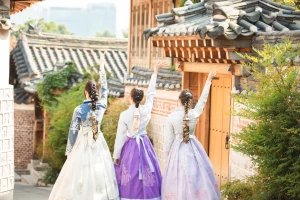
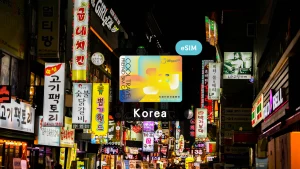
The magic of South Korea's capital lies in its distinctive neighborhoods, each offering a unique flavor and atmosphere. You can spend your morning wandering through the traditional hanok villages of Bukchon, where curved tiled roofs whisper tales of the Joseon Dynasty. By afternoon, transition to the trendy streets of Gangnam or Hongdae, where K-pop culture, indie music, and cutting-edge fashion dominate the scene. This harmonious coexistence of the old and the new is exactly what makes any Seoul travel guide so packed with diverse experiences.
When considering the best time to visit, spring (April to May) and autumn (September to November) are universally recommended. Spring brings a breathtaking canopy of cherry blossoms across the city's parks, while autumn paints the mountain foliage in vibrant hues of red, orange, and gold. Summers can be hot and humid with monsoon rains, while winters are crisp and cold, offering a beautiful snowy charm for those who do not mind bundling up. Regardless of the season, the city's vibrant energy never fades.
Top Attractions, Culture, and Culinary Delights
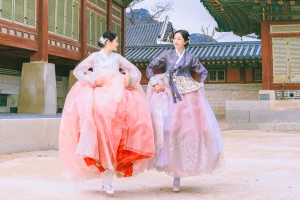
No trip to Seoul is complete without immersing yourself in its rich royal history. The Five Grand Palaces are absolute must-see attractions, with Gyeongbokgung Palace standing as the most magnificent. Arrive in time to witness the colorful Royal Guard Changing Ceremony, a spectacular display of traditional costumes and music. For a panoramic view of the sprawling metropolis, head up to the N Seoul Tower on Namsan Mountain, especially enchanting at sunset when the city lights begin to twinkle across the valley.
Beyond the historical landmarks, Seoul is a global powerhouse of pop culture and shopping. Myeongdong is a paradise for skincare and cosmetics enthusiasts, packed with flagship beauty stores and energetic crowds. If you are looking for quirky cafes, indie boutiques, and a youthful nightlife scene, Hongdae—the area surrounding Hongik University—is the place to be. Meanwhile, the Dongdaemun Design Plaza (DDP) offers a striking neo-futuristic architectural marvel that serves as the epicenter for the city's thriving design and fashion industries.
Food is an integral part of the Korean travel experience, and Seoul's culinary landscape is nothing short of extraordinary. Dive into the bustling alleys of Gwangjang Market to feast on iconic street food like bindaetteok (mung bean pancakes), tteokbokki (spicy rice cakes), and freshly made kimbap. For a sit-down meal, indulge in authentic Korean BBQ, where you can grill premium cuts of pork belly and marinated beef right at your table, accompanied by an endless array of banchan (side dishes). Wash it all down with a shot of soju for the quintessential local dining experience.
Practical Tips for Navigating the City
Getting to and from Seoul is a breeze thanks to Incheon International Airport, consistently ranked as one of the best airports in the world. The Airport Railroad Express (AREX) is the most efficient way to reach the city center, whisking you to Seoul Station in under an hour. Once in the city, the public transportation system is your best friend. The Seoul Metropolitan Subway is extensive, clean, punctual, and features English signage, making it incredibly easy for international visitors to navigate.
To make your travels seamless, purchase a T-money card from any convenience store upon arrival. This reloadable smart card can be used on subways, buses, and even to pay for items in select shops or taxis. While South Korea is rapidly becoming a cashless society with credit cards accepted almost everywhere, it is still wise to carry some local currency (South Korean Won) for street food stalls and small traditional markets. Safety is another major highlight of the city; Seoul boasts an exceptionally low crime rate, making it very safe for solo travelers and families alike, even when exploring late at night.
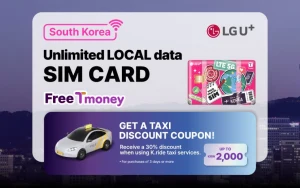
Staying connected is crucial for modern travelers, and Seoul offers some of the fastest internet speeds on the planet. Free Wi-Fi is widely available in cafes, subway stations, and public spaces, but renting a portable Wi-Fi egg or purchasing a local SIM card ensures uninterrupted access to maps and translation apps. Speaking of translation, while English is commonly understood in major tourist areas and by the younger generation, downloading a reliable Korean translation app and learning a few basic phrases like 'gamsahamnida' (thank you) will go a long way in connecting with the welcoming locals. Keep this Seoul travel guide handy as you plan your daily itineraries.
Frequently Asked Questions
Do I need a visa to visit Seoul?
South Korea offers visa-free entry to citizens of many countries for short-term tourism, typically ranging from 30 to 90 days. However, most visa-exempt visitors are required to apply for a Korea Electronic Travel Authorization (K-ETA) online before their departure. Always check the latest entry requirements from the official South Korean embassy or consulate in your home country prior to booking.
What is the best way to get around the city?
The subway system is undoubtedly the best way to get around. It is fast, affordable, and covers almost every corner of the city and its surrounding suburbs. Taxis are also plentiful and relatively inexpensive, but traffic congestion during rush hours can make them slower than the train. Using a T-money transit card will give you discounted fares and easy transfers between subways and buses.
Is it customary to tip in restaurants and taxis?
No, tipping is not a part of South Korean culture and is generally not expected or practiced in restaurants, cafes, or taxis. Exceptional service is considered part of the standard experience. In some high-end westernized hotels or luxury restaurants, a service charge may automatically be added to your bill, but leaving extra cash on the table is unnecessary.