
Welcome to Incheon: South Korea's Dynamic Port City
Welcome to the ultimate Incheon travel guide. While millions of travelers pass through its award-winning international airport every year, those who take the time to step outside discover a city of incredible contrasts. As a historic port city, Incheon was the first place in Korea to open to the Western world in the late 19th century. This unique heritage is still visible today in its diverse architecture and cultural enclaves. Fast forward to the present, and it is also home to the Incheon Free Economic Zone, a marvel of futuristic urban planning and smart city technology that feels worlds away from the traditional palaces of nearby Seoul.
The city's geography plays a massive role in its appeal. Situated on the western coast of the Korean Peninsula, Incheon borders the Yellow Sea, offering travelers a refreshing maritime atmosphere. The landscape is dotted with dozens of scenic islands, expansive tidal flats, and coastal promenades. Whether you are a history buff looking to trace the steps of early international traders, a foodie eager to taste the birthplace of iconic Korean-Chinese dishes, or an architecture enthusiast marveling at sustainable city design, Incheon provides a rich, multi-layered travel experience.
The best time to visit Incheon is during the spring (April to June) and autumn (September to November) seasons. During these months, the weather is mild and pleasant, perfect for strolling through expansive parks or exploring the scenic islands scattered along the coast. Summer brings vibrant festivals but also high humidity and monsoon rains, while winter offers a crisp, quiet charm for those looking to enjoy indoor attractions, cozy cafes, and beautifully illuminated nightscapes.
Top Attractions: What to See and Do in Incheon
No trip to the city is complete without wandering through Incheon Chinatown, the only official Chinatown in South Korea. Established in the 1880s, this vibrant neighborhood is a feast for the senses. Here, you can feast on authentic Jajangmyeon (black bean noodles) in the very place the dish was invented, marked by a museum dedicated entirely to the beloved culinary staple. Just a short walk away lies the Open Port Area, where beautifully preserved Japanese and Western-style buildings from the turn of the 20th century have been transformed into trendy cafes, boutique museums, and contemporary art galleries.
For a glimpse into the future, head to the Songdo International Business District. The crown jewel of this smart city is Songdo Central Park, a massive green oasis inspired by New York City's iconic park. Visitors can rent a transparent canoe, paddleboard, or take a water taxi down the seawater canal, surrounded by striking contemporary skyscrapers like the Northeast Asia Trade Tower. The nearby Tri-bowl, an architectural masterpiece that looks like three floating metallic shells, is also a must-see for photography enthusiasts, especially when it is lit up against the night sky.
Beyond the urban landscape, Incheon is a gateway to numerous picturesque islands. Wolmido Island is a favorite local getaway, featuring a nostalgic seaside amusement park, fresh seafood restaurants, and romantic sunset views over the water. For a more tranquil escape, take a ferry to Muuido or Yeongjongdo, where expansive mudflats, sandy beaches, and scenic coastal hiking trails await nature lovers. Eurwangni Beach, in particular, is a popular spot for its shallow waters, pine-lined shores, and fantastic seafood dining right on the sand.
Essential Travel Information and Tips
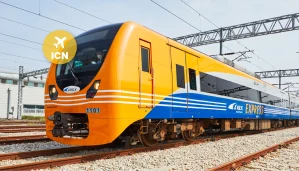
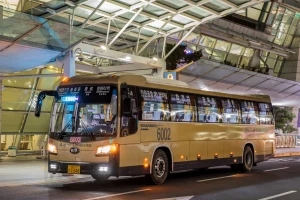
Getting to and around Incheon is incredibly convenient. The city is served by the world-class Incheon International Airport, connecting South Korea to the globe. From the airport or Seoul, the Airport Railroad Express (AREX) and the Seoul Metropolitan Subway system provide swift and affordable transportation directly into the heart of the city. Once local, the Incheon Subway lines and an extensive, color-coded bus network make navigating between historical neighborhoods and modern districts an absolute breeze. Taxis are also plentiful and relatively inexpensive for short distances.
The local currency is the South Korean Won (KRW). While major credit cards are widely accepted in hotels, large restaurants, and department stores, it is highly recommended to carry some cash for street food vendors in Chinatown, smaller shops in the traditional markets, or local bus fares. Staying connected is effortless, as South Korea boasts some of the fastest internet speeds in the world. Free public Wi-Fi is readily available in most parks, subway stations, and cafes, though purchasing a local SIM card or portable Wi-Fi device is still recommended for uninterrupted navigation.
Incheon is generally a very safe city for travelers, with low crime rates and well-lit public areas even late at night. When visiting, it is helpful to observe local etiquette, such as receiving and giving items with both hands, slightly bowing when greeting, and removing your shoes when entering traditional restaurants or guesthouses. Tipping is not customary in South Korea and is often politely declined. Learning a few basic Korean phrases like "Annyeong haseyo" (Hello) and "Gamsa hamnida" (Thank you) will go a long way in showing respect and connecting with the friendly locals.
Frequently Asked Questions
How far is Incheon from Seoul?
Incheon is located just west of Seoul and shares a border with the capital city. Depending on your exact starting point and destination, it takes about 60 to 90 minutes to travel between the two cities using the subway or express buses, making it an easy day trip or a convenient standalone destination.
Is Incheon worth visiting, or just an airport hub?
Incheon is absolutely worth visiting! While famous for its massive international airport, the city offers unique attractions you will not find in Seoul, including South Korea's only official Chinatown, the futuristic smart city of Songdo, and beautiful coastal getaways like Wolmido and Muuido.
What is the best way to get around Incheon?
The most efficient way to navigate the city is by using the Incheon Subway, which seamlessly connects with the Seoul Metropolitan Subway system. For areas not covered by the train, local buses are frequent and reliable. Purchasing a reloadable T-money transit card will allow you to tap in and out of all public transportation easily.