



Embracing the Soul of Japan: Why Kyoto Captivates Every Traveler
When planning your Japanese itinerary, discovering the best things to do in Kyoto is essential for anyone looking to experience the country's rich cultural heritage. Serving as the imperial capital of Japan for over a millennium, Kyoto has preserved its historical charm better than almost any other city in the nation. It is a place where history is not just found in museums, but lived in the streets, temples, and gardens that define the cityscape.
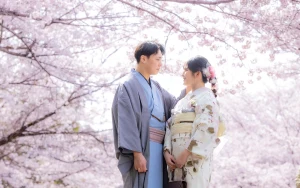
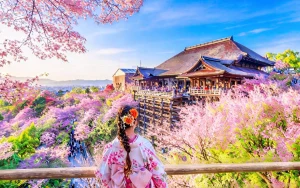
The atmosphere of Kyoto is profoundly shaped by the changing seasons, making it a year-round destination with ever-shifting beauty. Spring brings the world-famous cherry blossoms (sakura), painting the city in delicate shades of pink, while autumn transforms the landscape into a fiery canvas of red and gold maple leaves. The best time to visit often aligns with these seasons, particularly March to May and September to November, though the lush green summers and quiet, snow-dusted winters offer their own unique magic.
Geographically, Kyoto sits in a valley surrounded by majestic mountains on three sides, with the gentle Kamo River flowing through its center. This layout naturally divides the city into distinct districts, each with its own personality. From the preserved historic lanes of Higashiyama in the east to the natural wonders of Arashiyama in the west, Kyoto is a city that rewards slow travel, encouraging visitors to wander off the beaten path and discover hidden courtyard gardens and quiet shrines.
Beyond its visual beauty, Kyoto is a sanctuary for traditional Japanese arts and gastronomy. It is the birthplace of the tea ceremony, flower arranging (ikebana), and kaiseki dining—a multi-course traditional meal that is as much a visual art form as it is a culinary delight. A visit here is a holistic experience that engages all the senses, offering a peaceful retreat from the neon-lit hustle of Japan's modern metropolises.
Temples, Tea, and Traditions: Top Experiences in Kyoto
At the top of every traveler's list are Kyoto's iconic UNESCO World Heritage sites. The Fushimi Inari Taisha is arguably the most famous, where thousands of vibrant vermilion torii gates create mesmerizing trails up the wooded Mount Inari. Equally breathtaking is Kinkaku-ji, the Golden Pavilion, whose top two floors are completely covered in gold leaf, reflecting perfectly in the serene pond that surrounds it. Another must-see is Kiyomizu-dera, a historic temple offering sweeping panoramic views of the city from its massive wooden stage.
Nature lovers will find their paradise in the western district of Arashiyama. Walking through the towering green stalks of the Arashiyama Bamboo Grove is an otherworldly experience. Nearby, you can explore the exquisite landscape gardens of Tenryu-ji Temple or hike up to the Iwatayama Monkey Park for a chance to see Japanese macaques roaming freely while enjoying a stunning view of the Kyoto basin below.
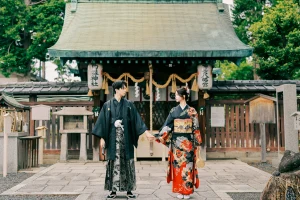
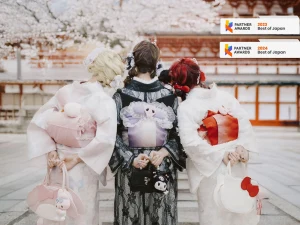
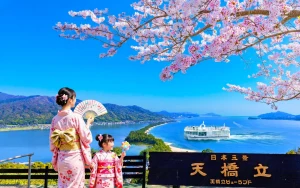
For a deep dive into traditional culture, exploring the historic Gion district ranks high among the top things to do in Kyoto. As evening falls, the lantern-lit wooden streets of Gion and Pontocho come alive. If you are lucky, you might catch a glimpse of a geiko (Kyoto's term for geisha) or a maiko (apprentice geisha) elegantly making her way to an evening appointment. To truly immerse yourself, consider renting a traditional kimono for the day as you stroll through the beautifully preserved slopes of Ninenzaka and Sannenzaka.
No trip to Kyoto is complete without indulging in its culinary treasures. Head to Nishiki Market, affectionately known as "Kyoto's Kitchen," to sample an array of local street food, pickled vegetables, and fresh seafood. Kyoto is also famous for its matcha (powdered green tea) treats, ranging from traditional hot tea served with wagashi (sweets) to modern matcha parfaits and ice cream. For a savory experience, try yudofu (tofu hot pot), a comforting local specialty perfect for a cool evening.
Navigating the Ancient Capital: Practical Travel Information
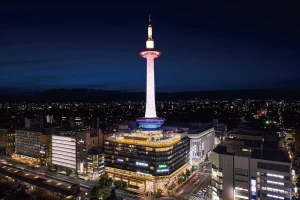
Getting to Kyoto is incredibly convenient thanks to Japan's world-class transportation network. The city is a major stop on the Tokaido Shinkansen (bullet train) line, making it a quick and comfortable journey of just over two hours from Tokyo. If you are flying in, the closest international gateway is Kansai International Airport (KIX) in Osaka. From the airport, the Haruka Express train provides a direct and scenic route straight to Kyoto Station, the city's futuristic transportation hub.
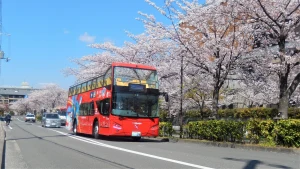
While Kyoto has a grid-like street system that is relatively easy to understand, getting around requires a bit of planning. The city boasts an extensive bus network, which is great for reaching major sights, but buses can become crowded during peak tourist seasons. The subway system is efficient but has limited lines. Often, the best strategy is a combination of trains, subways, and walking. Additionally, because the central city is quite flat, renting a bicycle is an incredibly popular and enjoyable way to explore the charming backstreets.
When it comes to money and connectivity, it is wise to carry some cash. While credit cards and IC transport cards (like Suica or Icoca) are widely accepted at hotels, major retailers, and convenience stores, many smaller temples, traditional teahouses, and market stalls still operate on a cash-only basis. Staying connected is easy if you rent a pocket Wi-Fi or arrange an eSIM before your trip, which is highly recommended for navigating the bus routes and using translation apps.
Finally, to ensure you enjoy all the things to do in Kyoto smoothly, it is important to observe local etiquette. Kyoto residents take great pride in their heritage, so respectful behavior is paramount. Observe signs regarding photography—especially in the geisha districts where taking photos of geiko and maiko without permission is strictly prohibited. Keep your voice down on public transport, and always take your trash with you, as public bins are rare. By traveling thoughtfully, you will experience the true, welcoming spirit of this ancient capital.
Frequently Asked Questions
How many days do I need to visit Kyoto?
To truly appreciate the city without rushing, a minimum of three to four days is recommended. This allows you to explore major areas like Higashiyama, Arashiyama, and central Kyoto, while also leaving time for spontaneous discoveries and day trips to nearby areas like Nara or Uji.
What is the best way to get around Kyoto?
While buses cover almost the entire city, they can get delayed by traffic. A combination of the subway, local trains, and walking is often the most efficient way to navigate. Renting a bicycle is also a fantastic option for exploring the flatter central and eastern parts of the city at your own pace.
Is it easy to find vegetarian or vegan food in Kyoto?
Yes! Kyoto is the birthplace of Shojin Ryori, a traditional Buddhist temple cuisine that is entirely vegan and incredibly delicious. Additionally, many modern cafes and restaurants now offer excellent plant-based options, making it one of the more vegetarian-friendly cities in Japan.