











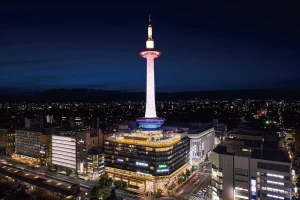
Discovering the Land of the Rising Sun
Welcome to our comprehensive Japan travel guide, your ultimate resource for exploring this mesmerizing archipelago where ancient traditions seamlessly coexist with futuristic innovation. Japan is a destination that truly defies expectations, offering a profound cultural journey wrapped in breathtaking natural beauty and cutting-edge modernity. Whether you are wandering through centuries-old temples or marveling at neon-lit skyscrapers, the country offers an unparalleled sensory experience.
Geographically, Japan is composed of four main islands—Hokkaido, Honshu, Shikoku, and Kyushu—along with thousands of smaller islands like tropical Okinawa. Each region boasts its own distinct identity, culinary specialties, and seasonal charms. Honshu is home to the bustling metropolises of Tokyo and Osaka, as well as the cultural heartland of Kyoto, making it the primary focus for first-time visitors. However, venturing off the beaten path reveals lush mountains, coastal fishing villages, and serene rural landscapes.
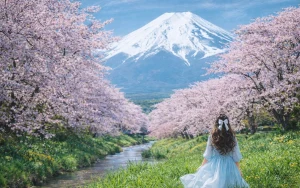
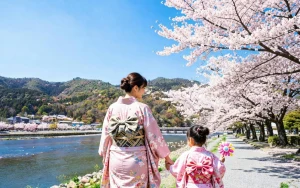
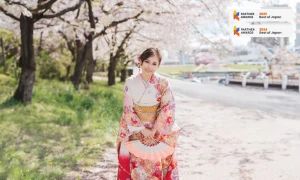
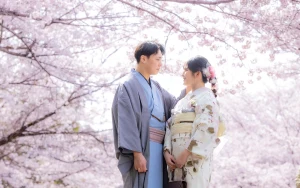
Determining the best time to visit depends entirely on what you want to experience. Spring (March to May) is world-famous for its ephemeral cherry blossoms (sakura), painting the country in soft pink hues. Autumn (September to November) is equally stunning, offering vibrant red and gold fall foliage (koyo) alongside mild weather. Winter transforms northern regions like Hokkaido into a snowy paradise perfect for world-class skiing, while summer brings lively street festivals (matsuri), spectacular fireworks displays, and lush green countryside.
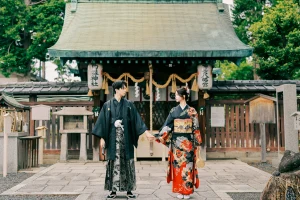
At the core of the Japanese experience is the concept of omotenashi, or wholehearted hospitality. You will encounter this deep-seated cultural value everywhere, from luxury hotels to modest neighborhood eateries. This dedication to harmony, respect, and meticulous attention to detail makes traveling here incredibly safe, comfortable, and deeply rewarding for every type of adventurer.
Top Attractions & Unforgettable Experiences
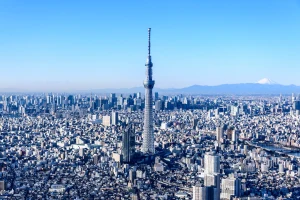
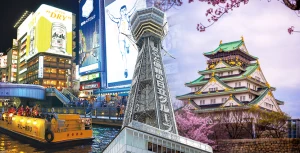
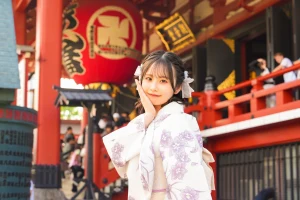
Japan’s cities are dynamic hubs of endless discovery. Tokyo, the sprawling capital, is a sensory overload of neon lights, towering skyscrapers, and quirky pop culture, best experienced in districts like Shibuya, Shinjuku, and Akihabara. In stark contrast, Kyoto serves as the historical soul of the nation, boasting thousands of classical Buddhist temples, Shinto shrines, and traditional wooden machiya houses. Meanwhile, Osaka is celebrated as the nation's kitchen, offering a vibrant nightlife and an unbeatable street food scene centered around the bustling Dotonbori district.
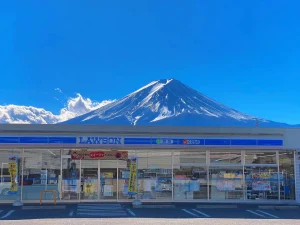
Beyond the urban sprawl, Japan’s natural attractions are nothing short of spectacular. The iconic, snow-capped cone of Mount Fuji is a must-see, whether viewed from a distance or hiked during the summer months. In Kyoto, the towering stalks of the Arashiyama Bamboo Grove and the vibrant orange gates of Fushimi Inari Shrine provide incredibly photogenic landscapes. Nature lovers should also visit Nara to mingle with free-roaming sacred deer, or head to Hokkaido to witness sweeping fields of lavender in the summer and pristine powder snow in the winter.
No trip is complete without diving deep into Japanese food culture. Beyond ubiquitous favorites like sushi and sashimi, you must try regional specialties such as rich tonkotsu ramen in Fukuoka, savory okonomiyaki pancakes in Hiroshima, and crispy takoyaki octopus balls in Osaka. For a truly refined culinary experience, book a kaiseki dinner—a traditional multi-course meal that emphasizes seasonal ingredients, intricate preparation, and exquisite presentation.
Immersive cultural experiences elevate any itinerary. Soaking in an onsen (natural hot spring) is a quintessential Japanese pastime, especially when staying overnight in a ryokan (traditional inn) sleeping on tatami mats. Additionally, participating in a serene matcha tea ceremony, watching a thrilling sumo wrestling tournament, or simply riding the lightning-fast Shinkansen bullet train past rural rice paddies are experiences that will stay with you long after you return home.
Practical Tips for Traveling in Japan
Getting to and around Japan is remarkably efficient. Most international travelers arrive at Narita or Haneda airports in Tokyo, or Kansai International Airport near Osaka. Once inside the country, the public transportation network is legendary for its punctuality and cleanliness. The Shinkansen (bullet train) connects major cities with incredible speed. To save money on long-distance travel, many tourists purchase a national or regional rail pass before their trip. For local transit, picking up a rechargeable IC card like Suica or Pasmo makes hopping on subways and buses a breeze.
While Japan is a highly advanced nation, it has historically maintained a cash-based society. Although credit cards and digital payments are increasingly accepted at major hotels, department stores, and large restaurants, it is crucial to always carry Japanese Yen (JPY). You will need cash for small vendors, rural areas, temple entrance fees, and the ubiquitous vending machines. Fortunately, convenience stores (konbini) like 7-Eleven have ATMs that reliably accept foreign debit cards.
Safety and etiquette are paramount in Japanese culture. It is consistently ranked as one of the safest countries in the world, with remarkably low crime rates. To blend in and show respect, familiarize yourself with basic etiquette: bow slightly when greeting, always remove your shoes when entering homes or traditional accommodations, and avoid talking loudly on public transportation. Importantly, tipping is not practiced in Japan; excellent service is simply considered the standard, and leaving money on the table can cause confusion.
Staying connected is vital for navigating complex train schedules and translating menus. It is highly recommended to rent a pocket Wi-Fi device or purchase an eSIM prior to arrival. While English is generally understood in major tourist hubs and transit stations have excellent English signage, communication in rural areas can be challenging. Downloading a reliable translation app and learning a few basic phrases like "arigato gozaimasu" (thank you) and "sumimasen" (excuse me) will go a long way in enriching your interactions with the locals.
Frequently Asked Questions
Do I need a visa to visit Japan?
Citizens from numerous countries enjoy visa-free entry for short-term tourism, typically allowing stays of up to 90 days. However, entry requirements vary depending on your nationality, so it is essential to verify the latest regulations with your local Japanese embassy or consulate well before your departure date.
Is it difficult to travel in Japan if I don't speak Japanese?
Not at all. While English is not fluently spoken everywhere, major train stations, airports, and popular tourist attractions feature extensive English signage. The locals are incredibly polite and eager to help, and modern translation apps make navigating menus and asking for directions easier than ever.
What is the best way to get around the country?
The most efficient way to travel between major cities is via the Shinkansen (bullet train). For regional and local travel, the extensive rail and subway networks are punctual and highly reliable. Purchasing a regional or national rail pass can be a convenient and cost-effective option for tourists planning to cover long distances.