
Discovering the Land of Mount Fuji
Welcome to the ultimate Yamanashi travel guide. Located just a short journey west of Tokyo, Yamanashi Prefecture is a magnificent, landlocked region celebrated as the northern gateway to Japan's most revered peak, Mount Fuji. Unlike the neon-lit streets of the capital, Yamanashi offers a serene landscape dominated by towering mountains, dense forests, and crystal-clear lakes. It is a destination that perfectly balances natural grandeur with deep-rooted cultural heritage, making it an essential addition to any Japan itinerary.
The region's geographical diversity is truly astounding. To the south, the Fuji Five Lakes (Fujigoko) region provides postcard-perfect reflections of Mount Fuji, drawing photographers and nature enthusiasts from around the globe. Meanwhile, the central Kofu Basin is famously known as the fruit kingdom of Japan. Shielded by surrounding alps, this basin enjoys a unique microclimate that produces the country's finest peaches, grapes, and award-winning Koshu wines. This contrast between rugged alpine environments and fertile agricultural valleys gives Yamanashi a dynamic appeal.
Choosing the best time to visit depends entirely on the experiences you seek. Spring (April to May) is spectacular for cherry blossoms framing Mount Fuji, particularly around Lake Kawaguchiko and the Chureito Pagoda. Summer (July to August) is the official climbing season for Mount Fuji and the peak time for fruit picking in Kofu. Autumn (October to November) transforms the forested mountainsides into a fiery canvas of red and gold maples. Winter (December to February), while cold, offers the crispest, clearest air, providing the most reliable and stunning views of the snow-capped volcano, best enjoyed from the warmth of a traditional outdoor hot spring (onsen).
Top Attractions & Unforgettable Experiences
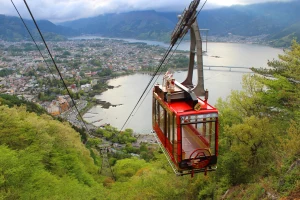
No trip to Yamanashi is complete without exploring the Fuji Five Lakes, with Lake Kawaguchiko being the most accessible and popular. Here, you can cycle along the shoreline, take the Mount Fuji Panoramic Ropeway for elevated vistas, or visit the Itchiku Kubota Art Museum. Just a short trip away is the Arakurayama Sengen Park, home to the iconic Chureito Pagoda. The view of this five-story vermilion pagoda with Mount Fuji soaring in the background is arguably one of the most famous and photographed sights in all of Japan.
For thrill-seekers, Fuji-Q Highland offers some of the tallest, fastest, and steepest roller coasters in the world, all with Mount Fuji looming in the background. If you prefer natural wonders, head to Oshino Hakkai, a historic village featuring eight incredibly clear spring water ponds fed by melting snow from the mountain. Nature lovers should also explore the Narusawa Ice Cave and Fugaku Wind Cave, fascinating lava tubes located at the edge of the mysterious Aokigahara forest, offering cool subterranean adventures even in the height of summer.
Beyond the mountains, Yamanashi is a culinary and viticultural delight. The Katsunuma area in Kofu is the birthplace of Japanese wine. Visitors can spend a leisurely afternoon hopping between historic wineries, enjoying tastings of the delicate, crisp Koshu white wine. Do not leave the prefecture without trying Hoto, Yamanashi's ultimate comfort food. This hearty, miso-based soup is filled with thick, flat udon noodles, seasonal vegetables, and generous chunks of sweet pumpkin, perfect for warming up after a day of alpine exploration.
Practical Tips for Your Yamanashi Adventure
Getting to Yamanashi from Tokyo is both scenic and convenient. The easiest route to the Fuji Five Lakes area is via the Limited Express Fuji Excursion train from Shinjuku Station, which takes you directly to Kawaguchiko Station in under two hours. Alternatively, frequent and comfortable highway buses depart from the Shinjuku Expressway Bus Terminal and Tokyo Station. If you are heading to the Kofu and Katsunuma wine regions, the JR Chuo Line Limited Express (Azusa or Kaiji) will get you there swiftly and comfortably.
Once you arrive, getting around requires a bit of planning. In the Kawaguchiko area, the retro-style Omni Buses operate on color-coded lines that hit all the major tourist spots around the lakes. However, if you want to explore off the beaten path, visit multiple wineries in Kofu, or travel between the lakes at your own pace, renting a car is highly recommended. The roads are well-maintained, and driving offers unparalleled freedom to chase the best views of Mount Fuji as the weather shifts throughout the day.
When traveling in Yamanashi, keep a few practical tips in mind. While credit cards are accepted at major hotels and large tourist facilities, cash is still king in rural areas, small local restaurants, and for paying bus fares. Weather around Mount Fuji can change rapidly, so dressing in layers is essential regardless of the season. Finally, if you plan to stay in a traditional ryokan (inn) with hot springs, remember to review onsen etiquette—tattoos may restrict entry at some public baths, though many modern accommodations now offer private baths for rent.
Frequently Asked Questions
When is the best time to see Mount Fuji from Yamanashi?
The best time to see Mount Fuji clearly is during the winter months (December to February). The cold, crisp air reduces haze and cloud cover, offering pristine views of the snow-capped peak. Early mornings and late afternoons generally provide the highest visibility throughout the year.
What is the traditional food of Yamanashi?
The most famous local dish is Hoto. It is a rustic, comforting noodle soup made with wide, flat wheat noodles simmered in a rich miso broth alongside pumpkin, mushrooms, and seasonal mountain vegetables. It is a must-try, especially during the cooler months.
Do I need a car to explore Yamanashi?
While you do not strictly need a car to visit the main spots around Lake Kawaguchiko (which are served by tourist buses), renting a car is highly recommended if you wish to explore the wider prefecture. A car makes it much easier to visit the Kofu wine region, remote hiking trails, and less crowded lakes like Shojiko and Motosuko.