



Welcome to Japan's Kitchen: An Overview of Osaka
Osaka is Japan's third-largest city, renowned for its dynamic street culture, outgoing locals, and unparalleled culinary scene. If you are looking for the best things to do in Osaka, you will quickly discover a destination that perfectly balances rich history with retro-futuristic charm. Unlike the more reserved atmosphere of Tokyo or the traditional quietude of Kyoto, Osaka pulses with a distinct, infectious energy that draws travelers from around the globe.
Known historically as the "nation's kitchen" during the Edo period, the city continues to live up to this delicious reputation. Visitors will find endless opportunities to indulge in local delicacies while exploring neon-soaked entertainment districts and serene historical sites. This comprehensive travel guide will help you navigate the vibrant neighborhoods, ensuring you experience the true soul of the Kansai region.
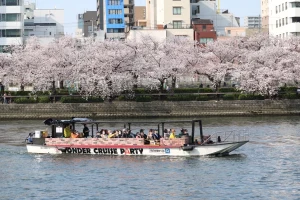
The best time to visit Osaka is during the spring (March to May) and autumn (September to November) seasons. Spring brings the spectacular cherry blossom season, transforming parks and castle grounds into a sea of delicate pink petals. Autumn offers mild weather and stunning fall foliage, making outdoor exploration incredibly pleasant. While summers can be hot and humid, they also host some of the city's most spectacular traditional festivals, including the famous Tenjin Matsuri.
Unforgettable Attractions and Culinary Adventures
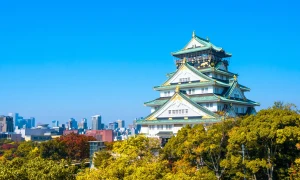
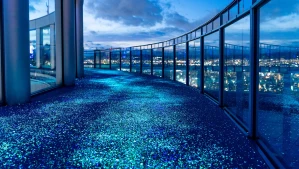
No list of things to do in Osaka is complete without a visit to the iconic Osaka Castle. Surrounded by a picturesque moat and expansive parklands, this stunning architectural masterpiece offers a deep dive into Japan's feudal history and provides breathtaking panoramic views from its observation deck. For a contrasting modern experience, head to the Umeda Sky Building or the towering Abeno Harukas to witness the city's sprawling skyline, especially dazzling at sunset.
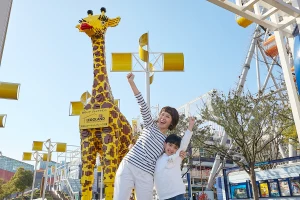
Families and thrill-seekers alike will find world-class entertainment in the city's bay area. The region hosts one of Japan's most famous movie-themed amusement parks, featuring immersive zones dedicated to beloved cinematic universes and pop culture icons. Additionally, the nearby Osaka Aquarium Kaiyukan stands as one of the largest public aquariums in the world, offering mesmerizing exhibits that recreate the natural habitats of the Pacific Rim.
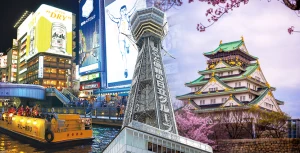
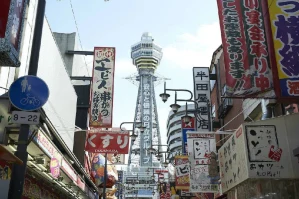
The true heartbeat of the city is found in its culinary districts, particularly the neon-illuminated wonderland of Dotonbori. Strolling along the canal, you will be greeted by larger-than-life mechanized restaurant signs and the irresistible aroma of street food. You must try local staples such as takoyaki (octopus balls), okonomiyaki (savory cabbage pancakes), and kushikatsu (deep-fried skewered meats and vegetables). Exploring the nearby Kuromon Ichiba Market provides another fantastic opportunity to sample fresh seafood and regional produce.
Practical Tips for Navigating the City
Osaka is highly accessible, served by Kansai International Airport (KIX), which connects to the city center via rapid train services in under an hour. Once you arrive, getting around is a breeze thanks to the extensive and efficient subway network. The Midosuji Line serves as the city's main artery, connecting major hubs like Shin-Osaka, Umeda, Shinsaibashi, and Namba. Purchasing a rechargeable transit card will make hopping between trains, buses, and making purchases at convenience stores incredibly smooth.
Choosing the right neighborhood to stay in can greatly enhance your trip. The Kita (North) area around Umeda is ideal for travelers who prefer upscale shopping, modern hotels, and easy access to transportation hubs for day trips to Kyoto or Kobe. Conversely, the Minami (South) area around Namba and Shinsaibashi is perfect for those who want to be right in the middle of the nightlife, street food, and vibrant youth culture. Both districts offer a wide range of accommodations to suit any budget.
Like the rest of Japan, the local currency is the Japanese Yen. While credit cards are increasingly accepted, especially in major hotels and department stores, it is one of our top travel tips to carry cash for smaller vendors, street food stalls, and local markets. Osaka is exceptionally safe for tourists, with low crime rates and helpful locals. However, it is always wise to follow basic safety precautions such as keeping an eye on your belongings in crowded areas. When riding the escalators here, remember to stand on the right side—a unique local custom that distinguishes the city from Tokyo!
Frequently Asked Questions
How many days should I spend in Osaka?
To fully experience the city's top attractions, culinary scene, and vibrant neighborhoods, a stay of 3 to 4 days is highly recommended. This allows enough time to explore historical sites, enjoy the entertainment districts, and perhaps take a quick day trip to nearby Nara or Kobe.
Is Osaka expensive to visit?
While Japan can be a pricey destination, Osaka is generally considered more budget-friendly than Tokyo. You can find excellent value in street food, local izakayas, and affordable guesthouses. Utilizing public transportation passes can also help keep your travel costs manageable.
Do I need to speak Japanese to get around?
No, you do not need to be fluent in Japanese. Major train stations, tourist attractions, and many restaurant menus feature English translations. The locals are famously friendly and outgoing, often going out of their way to help visitors, even if there is a language barrier.