













Welcome to the Neon Metropolis
When planning your trip, deciding on the best things to do in Tokyo can feel overwhelming given the sheer scale and energy of Japan's vibrant capital. As a city that seamlessly blends hyper-modern technology with deep-rooted traditions, Tokyo offers a travel experience unlike any other on earth. Whether you are wandering through serene temple grounds at dawn or navigating a sea of umbrellas at the iconic Shibuya Crossing under neon lights, every moment here feels cinematic.
This comprehensive travel guide is designed to help you uncover the magic of Tokyo, from its towering skyscrapers to its hidden alleyways. The city is a patchwork of distinct neighborhoods, each with its own unique flavor and cultural identity. You can spend your morning exploring ancient Shinto shrines and your afternoon diving into futuristic virtual reality arcades, perfectly illustrating the captivating duality of this metropolis.
When considering the best time to visit, spring (March to May) and autumn (September to November) are highly recommended. Spring brings the world-famous cherry blossoms (sakura), transforming the city's parks into pink wonderlands. Autumn offers mild weather and striking red and gold foliage, particularly beautiful in places like Shinjuku Gyoen and Rikugien Garden. Summer can be hot and humid, while winter is crisp and clear, often providing the best views of Mount Fuji in the distance.
Tokyo is widely regarded as one of the safest and cleanest major cities in the world, making it an incredibly welcoming destination for solo travelers, couples, and families alike. With countless attractions and experiences waiting to be discovered, using a platform like TicketMelo ensures you can seamlessly compare and secure your tickets for the ultimate Japanese adventure.
Unmissable Attractions & Cultural Experiences
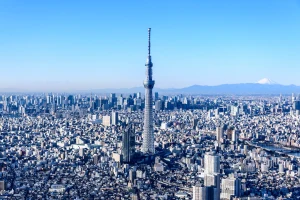
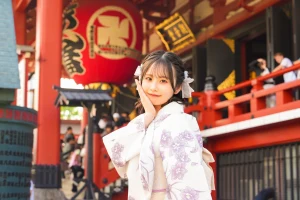
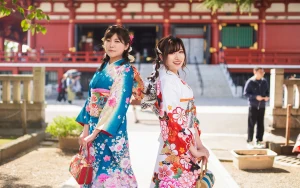
At the top of any list of things to do in Tokyo is exploring its world-renowned historical and modern landmarks. Begin your journey in Asakusa, home to Senso-ji, the city's oldest Buddhist temple, where you can waft incense smoke for good health and shop for traditional crafts along Nakamise Shopping Street. For a stark contrast, head to the observation decks of the Tokyo Skytree or Tokyo Tower for panoramic views of the sprawling urban skyline.
Tokyo's neighborhoods are destinations in themselves. Shinjuku offers dazzling nightlife, neon signs, and the lively Izakaya alleys of Omoide Yokocho. Harajuku is the epicenter of quirky street fashion and youth culture, centered around Takeshita Street, while just steps away lies the tranquil forested grounds of Meiji Shrine. For electronics, anime, and gaming enthusiasts, Akihabara is an absolute must-visit, offering multi-story arcades and maid cafes.
No travel guide to Tokyo is complete without highlighting its extraordinary culinary scene. With more Michelin stars than any other city globally, Tokyo is a food lover's paradise. Wake up early for the freshest sushi near the Toyosu or Tsukiji Outer Markets, slurp a steaming bowl of rich tonkotsu ramen in a cozy Shinjuku booth, or indulge in high-end wagyu beef in the upscale district of Ginza. Don't forget to explore the basement food halls (depachika) of major department stores for incredible gourmet treats.
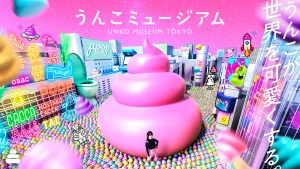
Beyond the city limits, Tokyo serves as an excellent base for spectacular day trips. Popular excursions include visiting the hot springs of Hakone with its stunning views of Mount Fuji, or exploring the giant Buddha and coastal shrines of Kamakura. Whether you are booking a futuristic digital art museum experience or a traditional tea ceremony, there are endless attractions to fill your itinerary.
Practical Tips for Navigating the City
Getting to Tokyo is straightforward, with international flights arriving at either Narita International Airport (NRT) or Haneda Airport (HND). Haneda is significantly closer to the city center, but both offer excellent, efficient transport links. The Narita Express (N'EX) or Keisei Skyliner will whisk you into the city in under an hour, while Haneda is well-connected via the Monorail and Keikyu Line. Securing your airport transfer tickets in advance can save you time and hassle upon arrival.
Navigating Tokyo's massive public transportation system might seem daunting at first, but it is incredibly efficient, punctual, and clean. The JR Yamanote Line is a circular train route that connects most of the city's major hubs, including Shibuya, Shinjuku, Tokyo Station, and Ueno. For getting around, purchasing a rechargeable IC card like Suica or Pasmo is essential. You simply tap in and out of station gates, and these cards can also be used at vending machines and convenience stores.
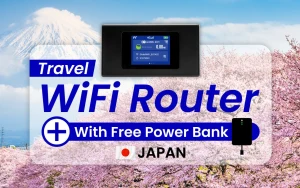
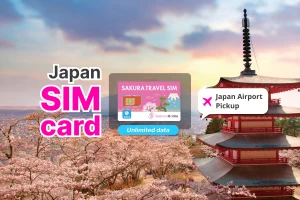
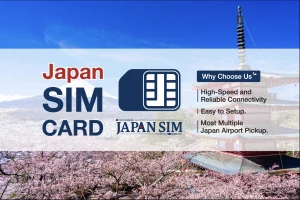
While Japan has modernized its payment systems, it remains a cash-heavy society in many aspects. It is highly recommended to carry Japanese Yen (JPY) for smaller establishments, local markets, and temple donations. Connectivity is another crucial factor for a smooth trip; renting a pocket Wi-Fi or purchasing an eSIM before your trip ensures you have access to digital maps and translation apps, which are invaluable tips for navigating complex train stations and menus.
Finally, keeping a few cultural tips in mind will enhance your experience. Tipping is not practiced in Japan and can even cause confusion, so simply pay the bill as presented. On public transport, it is customary to keep your phone on silent and refrain from talking loudly. By respecting these local customs and planning your must-do activities ahead of time, your Tokyo vacation will be nothing short of spectacular.
Frequently Asked Questions
How many days do I need to visit Tokyo?
To truly experience the highlights of Tokyo without feeling overly rushed, a minimum of 5 to 7 days is recommended. This allows you enough time to explore major neighborhoods like Shinjuku, Shibuya, and Asakusa, enjoy the local culinary scene, and even take a day trip to nearby destinations like Hakone or Kamakura.
What is the best way to get around Tokyo?
The best and most efficient way to travel around Tokyo is by utilizing its extensive railway and subway network. The JR Yamanote Line connects most major tourist districts. Purchasing a prepaid IC card (like Suica or Pasmo) makes transferring between different train lines seamless, as you won't need to buy individual paper tickets for every journey.
Do I need to carry cash in Tokyo?
Yes, while credit cards and digital payments are becoming much more widely accepted in hotels, major retail stores, and larger restaurants, cash is still king in Japan. You will need Yen for small purchases at street food stalls, local izakayas, temple offerings, and when reloading your transit IC card.